Analyzing Agentic Workflow Architecture via OOP: A loop.py Case Study
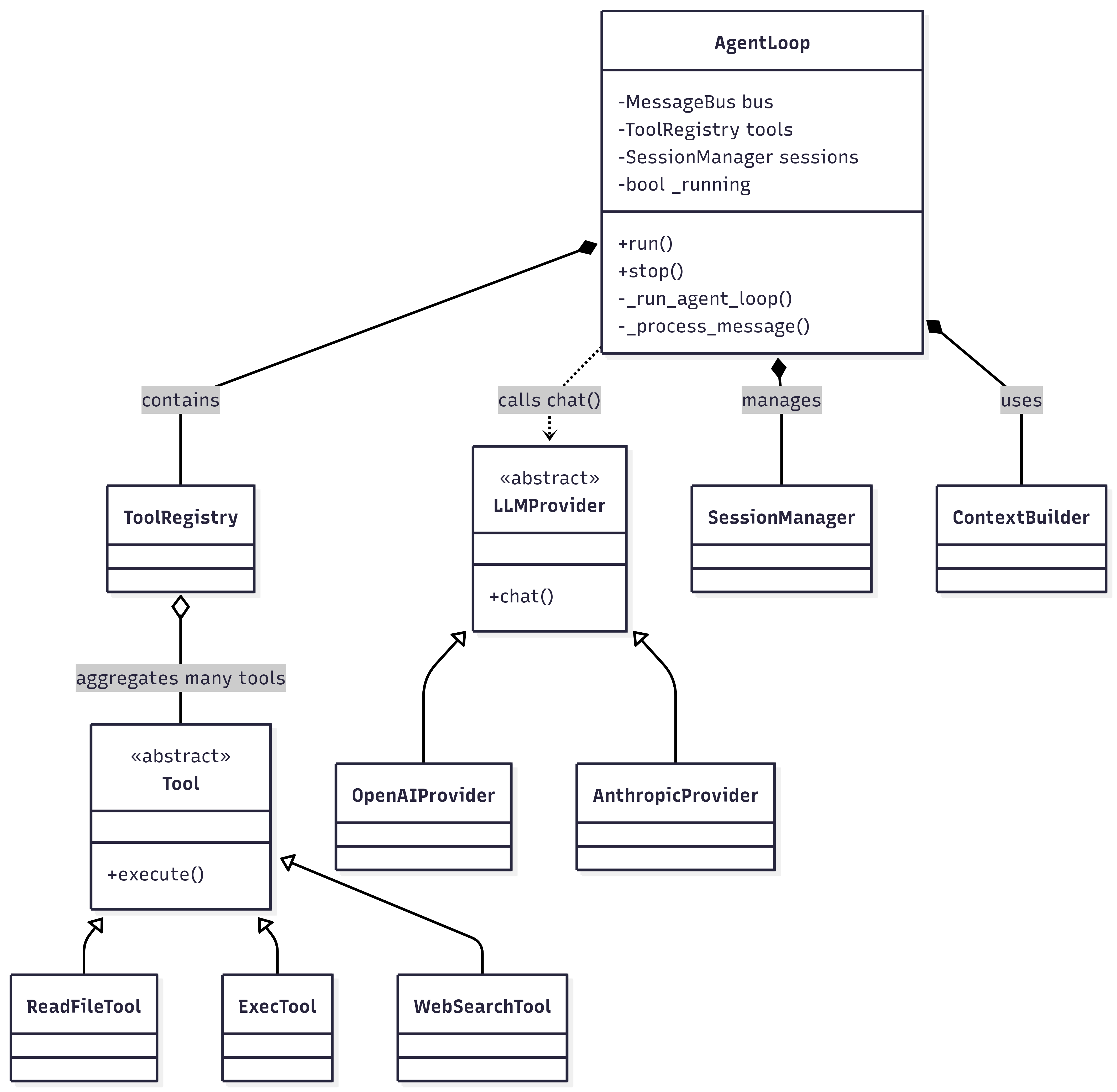
Last month, when I started building an AI Agent system, I began with a simple script of about 200 lines. Everything worked perfectly until I added the fifth tool and started handling asynchronous tasks. The code quickly devolved into an un-debuggable mess of spaghetti code. That’s when I realized: Building an AI Agent isn’t just about writing prompts or calling LLM APIs. It is a Software Engineering problem. The loop.py file that I subsequently redesigned stands as a testament to applying the four classic OOP principles to control the complexity of the ReAct (Reasoning and Acting) loop. ...